Reptile Heating, Lighting, and Humidity Explained for Beginners
Keeping a reptile healthy starts with three environmental basics: consistent heat, correct light, and the right humidity. Get those three things right and you remove the biggest day-to-day risks for captive reptiles—poor digestion, low activity, shedding problems, and stress.
This guide breaks down what each element does, how to measure and control it, and the practical equipment beginners can use to create reliable microclimates inside a terrarium.
Why heat, light, and humidity matter
Reptiles are ectotherms: they depend on external heat to regulate their metabolism. Heat directly affects digestion and activity. UVB light triggers vitamin D3 synthesis in many species, which drives calcium metabolism. Humidity influences skin health, shedding, and respiratory status for some species. Think of these three as working together: temperature affects how a reptile uses humidity and UVB, and vice versa.
Measuring and monitoring: tools you need
Before adjusting anything, install reliable monitoring tools at eye level inside the enclosure. A surface thermometer or probe for the basking area plus a separate ambient thermometer are essential. For humidity, a digital hygrometer is far better than guessing.
Shop for quality monitoring gear in the Reptile Thermometers and Hygrometers category so you can track both temps and humidity continuously.
If you want a simple, accurate option that includes probes for multiple points, consider the Weewooday Mini Digital Temperature …—it’s useful for monitoring basking, cool side, and background humidity at once.
Heating options: heat mats, ceramic heat, and bulbs
There are three common heating tools:
- Under-tank heat mats (UTHs) for ground-warming and belly heat.
- Heat lamps (incandescent or halogen) for bright basking spots.
- Ceramic heat emitters for nighttime heat without visible light.
UTHs are widely used for species that absorb heat through their bellies (e.g., geckos). For a catalog of mats and pad options, see the Reptile Heating Pads category.
Using heat pads safely and thermostats
Never plug a heat pad directly into the wall without a thermostat—or use one rated for reptiles that includes a thermostat. A thermostat keeps surface and ambient temps within set limits and prevents overheating.
If you want an all-in-one beginner-friendly option, a combo pad with a digital thermostat helps simplify setup. For example, the Tikaton Reptile Heating Pad and Dig… includes a mat and controller sized by tank volume so you get safer, regulated belly heat.
Lighting and UVB: what beginners must know
UVB is essential for many diurnal species (bearded dragons, uromastyx, many tortoises) because it enables synthesis of vitamin D3 and supports calcium absorption. No UVB is required for some nocturnal species, but do check species needs before excluding it.
UVB bulbs come in different strengths and span lengths—choose one sized for the enclosure and mount it so basking areas receive proper exposure at the correct distance. Use a timer to replicate a natural day/night cycle (typically 10–14 hours of light). Browse suitable fixtures and UVB bulbs in the Reptile UVB Lights section.
Humidity: when to raise or lower it
Humidity needs vary widely by species. Tropical species like many arboreal geckos and dart frogs need high humidity (60–90%), while desert species need lower humidity (20–40%). Poor humidity control can cause retained shed, respiratory issues, or dehydration.
For reliable humidity control in mid-to-large enclosures, consider an automated mister or humidifier designed for terrariums. The Repti Zoo 4L Reptile Humidifier, La… is an example of a unit that can raise humidity without soaking the entire enclosure—useful for tropical setups.
Substrate, hides, and creating microclimates
Substrate choice affects humidity retention and burrowing ability. Moss mixes and coconut coir retain moisture; arid sands and reptile-safe substrates shed moisture quickly. For species that need a moist retreat to help shed, include a humid hide filled with damp moss.
Stock up on moisture-holding base layers via the Reptile Substrate and Bedding category, and provide secure retreats from the Reptile Hides and Caves collection to let your animal choose its preferred microclimate.
Daily and weekly routine: what to check
Set a short daily checklist and a more thorough weekly check so small problems are caught early. Daily: check temps in basking and cool areas, confirm lights are on/off as scheduled, and quick-visual for humidity and behavior. Weekly: clean water, weigh or observe body condition, check substrate dampness and fixtures.
Quick beginner checklist
- Install at least two temperature measurements: basking spot and cool side.
- Use a thermostat for any heat mat or lamp to avoid overheating.
- Install a UVB light and use a timer for diurnal species that need it.
- Provide a humid hide and monitor enclosure humidity with a hygrometer.
- Choose substrate appropriate to the species’ moisture needs.
- Document temps/humidity daily for the first two weeks after setup.
FAQ
- Q: How hot should the basking area be?
A: It depends on species. Typical ranges: bearded dragon 95–105°F (35–40°C) basking, leopard gecko 88–92°F (31–33°C) warm spot. Always confirm for your species and measure at the reptile’s preferred basking surface. - Q: Can I use a heat pad alone?
A: For many ground-dwelling species, a heat pad under one side of the terrarium works, but always control it with a thermostat and monitor surface and ambient temps to prevent burns or overheating. - Q: How often should I replace UVB bulbs?
A: UVB output declines over time even if visible light remains. Most bulbs need replacing every 6–12 months depending on the manufacturer—record install dates and replace per the manufacturer’s guidance. - Q: My reptile isn’t shedding cleanly—what next?
A: Check humidity and provide a moist hide or short assisted soak if safe for the species. Also verify substrate and skin condition; persistent problems warrant advice from an experienced herp veterinarian or keeper. - Q: Is nighttime heat necessary?
A: Many reptiles tolerate cooler nights, but some require supplemental heat. Use silent ceramic heat emitters or low-wattage nighttime heat sources controlled by a thermostat when needed.
Conclusion
Start with good measurement, then add one control at a time: a thermostat-controlled heat source, a timed UVB lamp (if needed), and humidity control. Use hides and substrate to build microclimates your reptile can move between. With consistent monitoring and simple, species-appropriate gear you’ll create a stable, safe home your reptile can thrive in.
Products Featured in This Article

Tikaton Reptile Heating Pad and Dig…
From the brand Tikaton is always looking to add more exciting products to improve your everyday…

Repti Zoo 4L Reptile Humidifier, La…
Product description REPTI ZOO is a company which specialize in design and manufacturing of reptile supplies….
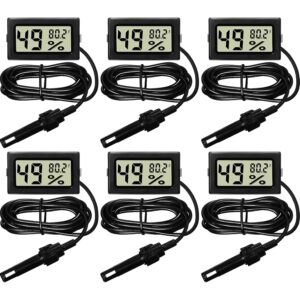
Weewooday Mini Digital Temperature …
From the brand Package includes: you will receive 6 pieces digital thermometer hygrometers with accurate reading,…