

Emergencies happen without warning. Having a clear, practical emergency preparedness plan for your pets protects their health and reduces stress for everyone involved.
This guide walks through simple, actionable steps to prepare dogs, cats, small mammals, birds, reptiles and fish for evacuations, power outages and short-term caregiver gaps. Use it to build checklists and a grab-and-go kit tailored to your animals.
1. Start with a pet inventory and evacuation plan
List every pet, their species, breed, age, medical conditions, medications, microchip numbers and your veterinarian’s contact. Identify who can evacuate with which animal and where they’ll go—friends, boarding, or designated shelters. For animals that need specialized temporary housing (like amphibians or arboreal reptiles), keep a compact emergency enclosure ready, such as a portable habitat that fits short transports like the REPTI ZOO Amphibian Habitat Tank 10….
2. Build a grab-and-go pet emergency kit
Assemble essentials in a durable, labeled bag or plastic bin you can carry in one trip. Include food, bowls, leashes, carriers, waste bags, copies of vaccination records, a recent photo of each pet, and a small first-aid kit. For small mammals, include reliable water options—use leak-proof bottles designed for cages like the Choco Nose No-Drip Small Animal Wat… to avoid soaked bedding during transport.
3. Prepare fish for power outages and moves
Fish are vulnerable to oxygen loss and rapid water parameter changes. Keep portable aeration on hand for outages—battery or USB-powered air pumps can maintain oxygenation for hours. A compact emergency aerator like the AquaMiracle Lithium Battery Powered… is ideal for stabilizing conditions until power returns or you can relocate fish.
4. Monitor and maintain water quality fast
Even short-term water quality shifts can be fatal. Keep test kits or strips in your emergency kit so you can check ammonia, nitrite, nitrate, pH and chlorine quickly. A multi-parameter kit like the 10 in 1 – Aquarium Test Strip… allows rapid assessment so you can perform partial water changes or add conditioners as needed.
5. Keep cleaning and water-change tools ready
Moving, refilling, or doing emergency partial changes is easier with the right tools. A siphon and gravel vacuum lets you remove debris and change water quickly during relocation or extended power loss. Compact kits such as the AREPK 10 Gallon Fish Tank cleaner a… are useful for small tanks and travel situations.
6. Plan feeding backups and caregiver schedules
If you’ll be away or first responders are delayed, automatic feeders can prevent missed meals and reduce stress. For aquariums, timed feeders keep fish fed when you can’t be present; for other pets, pre-measured food and clear instructions for sitters are vital. Consider an auto-feeder such as the FISHNOSH Automatic Fish Feeder for … for scheduled feedings in your emergency plan.
7. Reptile temperature control and backup heating
Reptiles need stable heat sources. During power outages or transport, maintain thermal gradients with portable heat mats or controlled heating pads and plan for backup power or warm carriers. An adjustable under-tank heater like the Tikaton Reptile Heat Pad – Ad… is useful for keeping enclosures at safe temperatures during short emergencies when paired with thermostatic control.
8. Monitor reptile temperature and humidity
Knowing current conditions prevents overheating or dangerous drops. Compact, reliable thermometers and hygrometers let you verify that heating and misting are working and that hides provide appropriate microclimates. Keep a set of digital monitors like the Weewooday Mini Digital Temperature … in your kit for quick checks during transport or sheltering.
Quick emergency preparedness checklist
- Printed records: vaccinations, meds, vet contacts, photos
- Secure carriers and leashes for each pet
- 3–7 days of food, bowls, and medications in original containers
- Water supplies and reliable dispensers (e.g., Choco Nose water bottle for small animals)
- Temporary aeration for fish (battery/USB pump)
- Portable thermometer/hygrometer for reptiles
- Basic first-aid kit and disinfectant
- Backup power options or plans for relocation
FAQ
-
Q: How much food and water should I store?
A: Store at least 3–7 days’ worth for each pet, plus extra water for drinking and cleaning. Rotate supplies regularly. -
Q: How do I keep fish alive without power?
A: Use a battery/USB aerator to maintain oxygen, test water regularly with a kit like the 10 in 1 – Aquarium Test Strip…, and perform partial water changes if parameters drift. -
Q: What if I can’t transport a large tank?
A: Move smaller or sensitive species into temporary containers and use portable aeration like the AquaMiracle pump. Secure the tank and protect it from shock until power returns. -
Q: How do I keep reptiles warm during outages?
A: Use insulated carriers, warm water bottles wrapped in towels, and a regulated heat source such as a thermostatted heat pad like the Tikaton Reptile Heat Pad – Ad… with close monitoring. -
Q: Should I rely on automatic feeders?
A: Automatic feeders can be helpful for short absences; test them beforehand and leave clear instructions for caregivers. For fish, a reliable timed feeder like the FISHNOSH Automatic Fish Feeder for … works well.
Conclusion
Emergency preparedness for pets is about predictable, repeatable steps: inventory, a portable kit, species-specific backups (water, power, temperature), and clear caregiver instructions. Build and rehearse your plan, keep supplies updated, and prioritize quick access during evacuations—small investments in planning keep pets safer when it matters most.
Products Featured in This Article

AquaMiracle Lithium Battery Powered…
To calculate the overall star rating and percentage breakdown by star, we don’t use a simple…

FISHNOSH Automatic Fish Feeder for …
Product description Product Dimensions : 6.14 x 2.8 x 4.4 inches; 7.04 ounces Item…

10 in 1 – Aquarium Test Strip…
From the brand Water Testing Strips Water Testing Strips Water Testing Strips 𝗛𝗼𝗺𝗲 𝗔𝗾𝘂𝗮𝗿𝗶𝘂𝗺 𝗪𝗮𝘁𝗲𝗿 𝗧𝗲𝘀𝘁…

AREPK 10 Gallon Fish Tank cleaner a…
Product description BENEFITS: Easy to Use Durable No Electricity Quick small Safety Beautiful Manual Fish Tanks…

Tikaton Reptile Heat Pad – Ad…
Parameter: Rated Voltage: 120V Waterproof: IPX67 Frequency: 60Hz Package included: 1* Reptile Heat Pad, 1* 3M…
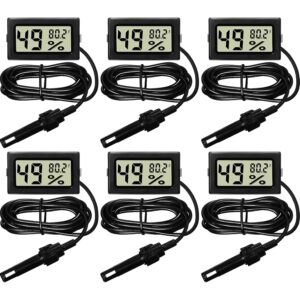
Weewooday Mini Digital Temperature …
From the brand Package includes: you will receive 6 pieces digital thermometer hygrometers with accurate reading,…

REPTI ZOO Amphibian Habitat Tank 10…
From the brand Leading Brand Since 2007 REPTI ZOO is one of the famous brands specializing…
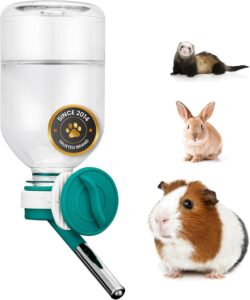
Choco Nose No-Drip Small Animal Wat…
Product description Add to Cart Add to Cart Add to Cart Add to Cart Customer Reviews…