How to Create a Comfortable Habitat for Rabbits and Guinea Pigs
Rabbits and guinea pigs thrive in habitats that meet their physical needs and encourage natural behaviors. A well-designed space reduces stress, prevents health problems, and makes daily care simpler for you.
Below are practical, step-by-step guidelines to build a safe, comfortable, and easy-to-maintain home for your small pets, with product ideas to help you get started.
1. Choosing the Right Enclosure
Size matters: adult rabbits and guinea pigs need roomy floor space rather than tall cages. Aim for an enclosure that allows running, hopping, and a separate sleeping area. For multi-level play and compact indoor setups, consider a purpose-built small-animal habitat that offers platforms and hideaways, like the Large 5-Floors Blue Hamster Mansion, which can also serve as inspiration for layout and accessories.
2. Flooring and Bedding Choices
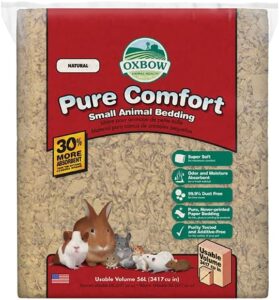
Comfortable, absorbent bedding is essential. Avoid cedar or pine shavings; they can irritate respiratory systems. Paper-based and aspen-free options provide softness, dust control, and good odor management. A reliable choice is Oxbow Pure Comfort Bedding, which works well in litter boxes and across the run area.
Place a solid-floor base or a thick layer of bedding to protect feet from wire flooring. Add washable fleece liners or flat mats in resting zones for extra warmth and easy cleaning.
3. Feeding and Watering Essentials
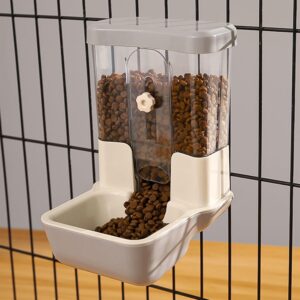
Provide constant access to fresh hay, a measured portion of pellets, and a selection of fresh vegetables daily. Use a raised or secure hay rack to keep hay clean and reduce waste. For measured dry feeding or when you’re away, a hanging dispenser such as the Hanging Automatic Food Dispenser helps control portions and keeps food off the bedding.
Hydration: always offer fresh water in stable containers. Many owners prefer bottle systems to bowls to reduce contamination. Browse small-animal water bottle options to match your cage and pet’s drinking style at the Small Animal Water Bottles collection.
4. Choosing the Right Water Bottle
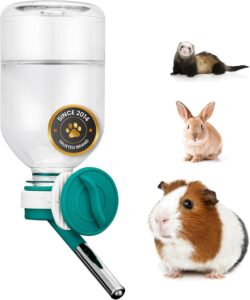
Leak-proof bottles prevent wet bedding and chills. For reliable performance consider a product designed for small animals—features to look for include a sturdy bracket, a no-drip nozzle, and an appropriate capacity. One practical option is the Choco Nose No-Drip Small Animal Water Bottle, which is built to minimize leaks and fit most cage types.
5. Hiding Spots, Enrichment, and Chew Toys
Rabbits and guinea pigs need places to hide and feel secure. Provide enclosed hideouts, tunnels, and low platforms where they can retreat. Chewing is a natural behavior that keeps teeth healthy and prevents boredom—supply a rotation of safe chew toys made from untreated wood or hay.
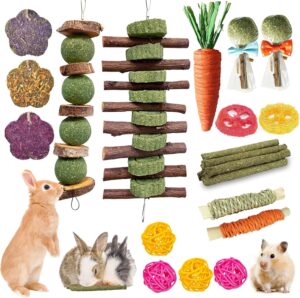
For a ready set of chew options tailored to small herbivores, the Jorewood 21 Pcs Rabbit Chew Toys gives a variety of textures to gnaw on, which helps dental health and mental stimulation.
6. Daily Cleaning and Maintenance
Spot-clean daily: remove soiled bedding, uneaten fresh food, and droppings. Fully change bedding and wash all surfaces weekly (or more often with multiple pets). Use unscented, pet-safe cleaners and rinse thoroughly.
Inspect water bottles, feeders, and hideouts frequently for cleanliness and wear. Replace damaged items promptly to avoid injury or contamination.
7. Ventilation, Temperature, and Safety
Good airflow prevents ammonia buildup. Place habitats in draft-free areas away from direct sun, heaters, or air-conditioning drafts. Ideal room temperature for most domestic rabbits and guinea pigs is between 60–70°F (15–21°C); avoid sudden temperature swings.
Keep electrics, cords, and toxic plants out of reach. Ensure cage bars and latches are secure and that enclosure materials are chew-safe (no painted or treated wood).
8. Common Mistakes to Avoid
Avoid these frequent errors:
- Too-small cages—never confine an adult rabbit or pair of guinea pigs to a tiny enclosure.
- Using inappropriate bedding like cedar or clumping cat litter.
- Relying solely on bowls for water that can be tipped or contaminated.
- Neglecting daily supervision and interaction—both species need social contact and exercise.
If you’re unsure about cage sizing or need flexible cage options, review small-animal housing categories such as Hamster Cages for ideas on layouts and accessories (many designs adapt well for guinea pigs and rabbits when used correctly).
Quick Setup Checklist
- Spacious enclosure with solid floor (minimum recommended for guinea pigs: 7.5 sq ft; rabbits need more exercise space)
- Quality bedding (paper-based) and litter box
- Constant fresh hay + measured pellets and daily veggies
- Leak-proof water bottle and separate bowl for water/food if desired
- Hideouts, chew toys, and safe enrichment items
- Regular cleaning schedule and daily health checks
FAQ
Q: How big should the enclosure be?
A: Bigger is better. Guinea pigs need at least 7.5 square feet for one or two; rabbits need daily exercise areas beyond a home pen. Provide the largest space you can and supervised free-roam time.
Q: Can rabbits and guinea pigs share the same enclosure?
A: No—mixing species is not recommended. They have different social and dietary needs and can accidentally injure each other.
Q: How often should bedding be changed?
A: Spot-clean daily and fully change bedding weekly or sooner if it becomes soiled or odorous.
Q: What water system is best?
A: Leak-proof water bottles are the common choice to keep bedding dry; choose bottles with a sturdy mounting and tested no-drip spouts. See examples in the Small Animal Water Bottles collection and consider a no-drip model like the Choco Nose No-Drip Bottle.
Q: How can I prevent boredom?
A: Rotate chew toys, introduce tunnels and boxes, provide supervised floor time, and use puzzle feeders or a hanging dispenser like the Hanging Automatic Food Dispenser to add variety.
Conclusion
A comfortable rabbit or guinea pig habitat combines space, proper bedding, secure food and water systems, enrichment, and regular maintenance. Start with a roomy enclosure, choose safe bedding, keep water accessible and clean, and rotate toys to encourage natural behaviors. Small investments in the right products and a simple cleaning routine will keep your pets healthy and happy.
For more small-animal supplies and helpful options for building a complete setup, browse the Superstar Pet Finds Co collection.
Products Featured in This Article

Large 5-Floors Blue Hamster Mansion…
Suitable for small animal critter like hamsters, mice, gerbils, rat etc…….. Product Dimensions : …
Jorewood 21 Pcs Rabbit Chew Toys fo…
Product description Product Dimensions : 6 x 4 x 2 inches; 12.31 ounces Item…
Hanging Automatic Food Dispenser, 2…
From the brand 17oz Cage Water Bottle 17oz Cage Water Bottle Small Animal Hay Feeder Slow…
Choco Nose No-Drip Small Animal Wat…
Product description Add to Cart Add to Cart Add to Cart Add to Cart Customer Reviews…
Oxbow Pure Comfort Bedding, Rabbit,…
Pure and soft—Oxbow’s Pure Comfort Natural Bedding is specially designed to create the ultimate cozy space…