
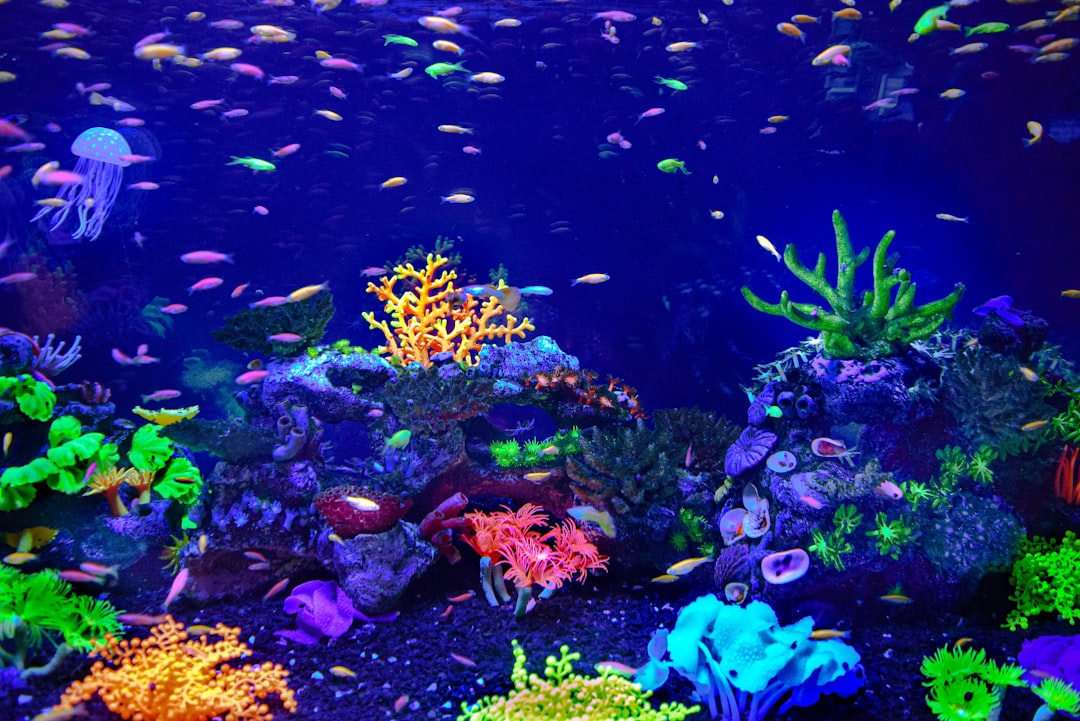
How to Maintain Clean and Healthy Aquarium Water
Keeping aquarium water clean and healthy is the foundation of a thriving fish tank. Clear water, stable chemistry, and minimal odors come from regular testing, proper filtration, and routine maintenance—not luck.
This guide gives practical steps you can apply to freshwater and planted tanks, including the tools to choose and common mistakes to avoid so your fish and plants stay healthy.
Understand the basics: nitrogen cycle and key water parameters
Before you chase apparent water problems, learn the three key parameters that govern aquarium health: ammonia, nitrite, and nitrate. Beneficial bacteria convert toxic ammonia to nitrite and then to less harmful nitrate. If the cycle is unestablished or overwhelmed, fish get stressed quickly.
Also monitor pH, temperature, and hardness as relevant to your species—many problems are from sudden swings rather than absolute values.
Test water regularly and track trends
Testing is the only reliable way to know what’s happening in your tank. Use a consistent schedule (e.g., weekly for established tanks, more often for new or sick tanks) and record results so you can spot trends before an emergency.
Start with reliable testing gear. For routine checks, consider a complete kit like Aquarium Water Testing Kits to measure ammonia, nitrite, nitrate, pH, and sometimes GH/KH.
For quick spot checks or travel-friendly options, single-strip tests work well—one effective product to keep on hand is 10 in 1 Aquarium Test Strips.
Routine water changes: how much and how often
Water changes remove dissolved wastes, reduce nitrates, and refresh trace elements. For most community freshwater tanks, a 10–25% weekly change is a good baseline. Heavy bioloads, small tanks, or planted tanks with sensitive species may need 25–50% on a schedule tuned to test results.
Use a dependable siphon and gravel vacuum to remove debris without disturbing beneficial bacteria too much. For small tanks, a tool like the AREPK 10 Gallon Fish Tank cleaner and Aquarium Water Changer makes partial changes and gravel cleaning efficient and tidy.
Filtration: choose the right type and maintain it
Filtration has three roles: mechanical (remove particles), biological (host beneficial bacteria), and chemical (remove dissolved compounds via media like activated carbon). Canister, hang-on-back (HOB), and sponge filters are common options—pick one suited to your tank size and stocking level.
Maintenance: rinse mechanical media in tank water during water changes (not tap water) to preserve bacteria. Replace chemical media on the manufacturer’s schedule. Never overhaul all biological media at once—stagger replacements to avoid crashes.
Cleaning tools and supplies to keep on hand
Have a small kit ready: algae scraper, siphon gravel vacuum, spare filter media, and buckets reserved for aquarium use. Using dedicated tools prevents contamination and simplifies routine jobs.
Shop for purpose-built products when possible; the right gear reduces stress and makes maintenance faster. Browse the selection at Aquarium Cleaning Supplies to equip your routine maintenance kit.
Substrate and plants: caring for the tank floor
Gravel and soil traps waste; regular vacuuming prevents buildup. For planted tanks, nutrient-rich substrates support growth but can also release nutrients that fuel algae if disturbed. Vacuum lightly around plants and avoid full substrate turnovers unless redesigning the layout.
For planted aquariums, consider substrates formulated for roots and plant health—products like Fluval Natural Mineral-Rich Volcanic Soil provide stable nutrients and help plants outcompete algae.
Decorations and equipment: clean and choose wisely
Ornaments and artificial plants can hide detritus and grow algae. Clean or replace porous decor that traps waste. Smooth, aquarium-safe pieces are easier to clean and less likely to harbor bacteria in undesirable places.
When selecting new decor, stick to aquarium-grade items and rinse them thoroughly before adding to the tank. For options and ideas, check the Aquarium Decorations collection.
Quarantine, breeding, and stocking considerations
New fish should go into a quarantine tank for observation before entering the main display—this reduces disease risk and prevents sudden changes in the main tank’s balance. For breeding or isolating fry, specialized gear helps protect vulnerable fish; explore resources like Fish Breeding Supplies.
For fry and very small occupants, a breeder box such as the Pawfly Aquarium Fish Breeding Box keeps them safe while allowing water flow and easier maintenance.
Troubleshooting common water problems
Cloudy water: often caused by bacteria bloom after a tank change, overfeeding, or new setup. Reduce feeding, check filter function, and perform partial water changes until it clears.
Algae overgrowth: lower light duration, avoid excess fertilization, and manual removal. Healthy plants and regular cleaning reduce algae success.
High ammonia or nitrite: perform immediate partial water changes, reduce feeding, and check filter for flow issues. If levels remain high, reduce stocking temporarily and consider adding a biological booster to support bacteria establishment.
Maintenance checklist
- Weekly: test water, 10–25% water change, siphon substrate as needed.
- Monthly: rinse filter intake and mechanical media in tank water; replace chemical media if used.
- Quarterly: deep-check equipment (heaters, pumps), replace worn tubing, inspect decor and substrate.
- As needed: quarantine new arrivals, treat sick fish separately, adjust stocking.
Conclusion: practical takeaway
Consistent testing, modest and regular water changes, proper filtration, and the right tools are the pillars of clean aquarium water. Build a simple maintenance routine and stick to it—small, regular actions prevent most major problems.
FAQ
- How often should I test my aquarium water? Weekly for established tanks; more often for new setups, after medication, or if fish show stress.
- Can I over-clean my filter? Yes—aggressive or frequent cleaning with tap water can remove beneficial bacteria. Rinse filter media in removed tank water and avoid replacing all biological media at once.
- What’s the safest way to remove algae? Scrape glass gently, remove decorations for cleaning, and control light/nutrients. Introduce algae-eating species only if compatible with your tank.
- Is gravel vacuuming necessary every water change? For tanks with visible debris or heavy feeding, yes. For heavily planted tanks, vacuum carefully to avoid uprooting plants.
- How do I handle high nitrate readings? Increase partial water change volume/frequency, reduce feeding, and improve plant uptake or consider adding denitrifying media.
- Should new fish go into the main tank immediately? No—quarantine new fish first to reduce disease and avoid sudden bioload changes in the display tank.
Products Featured in This Article

10 in 1 – Aquarium Test Strip…
From the brand Water Testing Strips Water Testing Strips Water Testing Strips 𝗛𝗼𝗺𝗲 𝗔𝗾𝘂𝗮𝗿𝗶𝘂𝗺 𝗪𝗮𝘁𝗲𝗿 𝗧𝗲𝘀𝘁…

AREPK 10 Gallon Fish Tank cleaner a…
Product description BENEFITS: Easy to Use Durable No Electricity Quick small Safety Beautiful Manual Fish Tanks…
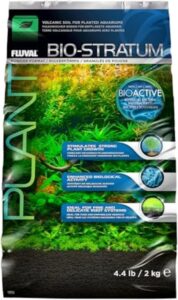
Fluval 12696 Natural Mineral-Rich V…
Fluval Bio-Stratum features beneficial “bioactives” that efficiently break down waste, jumpstart the nitrogen cycle, and swiftly…
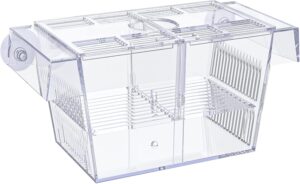
Pawfly Aquarium Fish Breeding Box A…
Product description Add to Cart Add to Cart Add to Cart Customer Reviews 4.2 out of…