How to Create a Safe and Enriching Environment for Pet Birds
Creating a safe, stimulating home for a pet bird is one of the best ways to support its health, behavior, and lifespan. Good housing, the right feeding and water setup, daily enrichment, and regular maintenance reduce stress and problem behaviors while keeping your bird physically fit.
At Superstar Pet Finds Co we focus on practical product solutions and sensible routines that make caring for birds easier and safer for owners and pets alike. Explore our selection for ideas and gear that help you build a bird-friendly environment: Superstar Pet Finds Co.
1. Choose the right cage or aviary
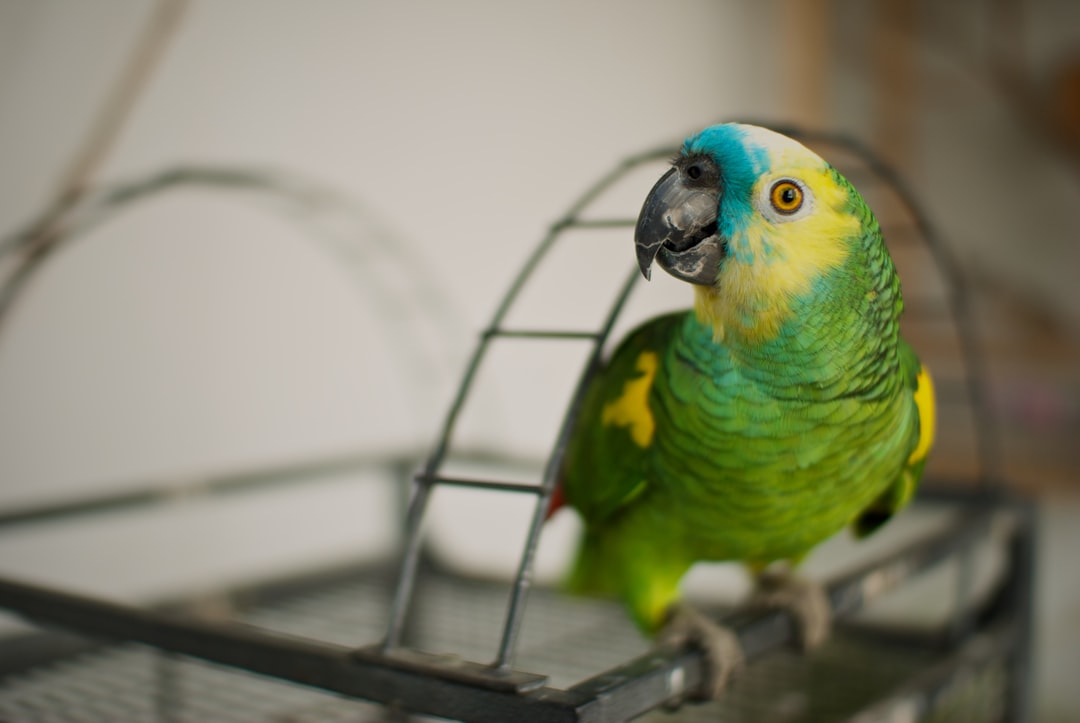
Select a cage or aviary with enough room for natural movement. A bird must be able to fully extend wings, hop between perches, and play without hitting sides. For backyard or farm birds such as chickens, plan for secure nesting and predator-proofing—if you keep poultry, a robust option like the 83′ L Large Chicken Coop and Run provides nest boxes, perches, and a protective run design you can adapt for small flock needs.
2. Perches, layout and safe materials
Offer a mix of perch diameters (natural wood is best) and place them to allow flight paths and privacy. Avoid painted or treated woods and any small hardware that can snag toes. For beak-safe chewing and enrichment, use untreated natural wood toys or safe chew items—products made for small animals, like Jorewood 21 Pcs Rabbit Chew Toys for Teeth (natural wood), can inspire ideas for bird-safe wood toys (ensure size, lack of toxic finish, and clean wood species before use).
3. Feeding systems: bowls, feeders and automatic options
Use shallow, sturdy bowls for seed and water for most pet birds; place food away from droppings and high-traffic spots. For large aviaries or multi-bird setups, consider automated dispensers to keep food available and reduce spillage. A versatile hanging solution like the Hanging Automatic Food Dispenser, 27oz Large Capacity can work for seed stations in larger cages or aviaries—verify seed type compatibility and secure mounting to prevent tipping.
4. Water access and bathing
Fresh water is essential; provide a clean bowl for drinking and a separate shallow bath or mister for regular bathing. Many birds prefer open water for splashing—monitor bowls and change water daily. For larger aviaries, multiple water stations reduce competition. Avoid small-animal water bottles for most pet birds; they generally discourage natural drinking and bathing behavior.
5. Enrichment: toys, foraging and environmental variation
Rotate toys weekly to prevent boredom. Include shreddable items, puzzle feeders, swings, and safe natural decor to mimic branches and textures. Decorative elements that are non-toxic and washable give visual interest—items like TIHOOD 40PCS Artificial Moss Rocks can be used sparingly as visual enrichment in larger aviaries (avoid loose pieces that a bird can ingest).
6. Nesting, substrate and humidity
Different species have different nesting needs. Provide appropriate-sized nest boxes lined with safe nesting material. For ground-level or coop nesting, clean, absorbent bedding reduces ammonia and keeps eggs/nestlings comfortable—products like Oxbow Pure Comfort Bedding can be considered for coop nest boxes where absorbent, low-dust material is needed (ensure material is safe for your species). For humidity-sensitive species or temporary humidity control in brooder areas, natural sphagnum moss such as Riare 50QT Natural Sphagnum Moss can be used carefully—only where appropriate for the species and hygiene needs.
7. Transport, health checks and emergency readiness
Have a safe transport option for vet visits and evacuations. For many larger birds and for secure travel, consider a durable carrier with ventilation and lockable closures; airline or travel-quality carriers like the Ruff Life 101 Airline Approved Expandable Premium Pet Carrier illustrate the type of sturdy housing required for travel—remember to choose appropriately sized, well-ventilated carriers specifically intended for avian use. Keep a basic travel kit: towel, spare bowl, clipper, and a small first-aid kit recommended by your avian vet.
8. Cleaning, maintenance and monitoring
Establish a cleaning schedule: daily spot-cleaning of droppings and food, weekly deep-clean of perches and toys, and monthly disinfection of cages and trays. Monitor droppings, appetite, weight and activity daily. Routine observation is your earliest warning for stress or illness—document changes and consult an avian vet if anything persists. Regular rotation and replacement of worn toys, perches and nest materials prevents injury and infection.
Quick checklist
- Right-sized cage or aviary with secure locks
- Multiple perch diameters, safe natural materials
- Shallow bowls for water and food; consider automatic feeder for large setups
- Daily fresh water, weekly toy rotation
- Species-appropriate nesting material and clean bedding
- Safe transport carrier and basic travel kit
- Cleaning schedule: daily, weekly, monthly tasks
FAQ
Q: How often should I change my bird’s water?
A: Change drinking water daily and clean the bowl daily to prevent bacteria and algae growth.
Q: My bird chews everything—what’s safe?
A: Provide untreated, non-toxic wood perches and toys sized for your bird. Avoid painted or pressure-treated wood and small parts. Natural chew blocks designed for small animals or birds can be safe if confirmed non-toxic.
Q: Can I use automatic feeders for multiple bird species?
A: Automatic feeders can work in multi-bird aviaries if they dispense appropriate food types and are placed to prevent dominant birds from monopolizing access. Monitor use and adjust distribution.
Q: What signs indicate a bird is stressed or sick?
A: Look for decreased appetite, fluffed feathers, lethargy, changes in droppings, increased respiratory effort, or unusual vocalizations. Rapid changes warrant vet consultation.
Q: How do I keep outdoor birds safe from predators?
A: Use secure hardware cloth, lockable doors, covered runs, and elevated night coops. Regularly inspect for gaps and reinforce fencing as needed.
Conclusion
Creating a safe, enriching environment for pet birds is a combination of the right housing, daily care, species-appropriate enrichment, and consistent cleaning and monitoring. Start with a properly sized cage or coop, provide varied perches and safe chew options, arrange reliable feeding and water stations, and maintain a predictable cleaning routine. Small investments in safe materials and smart routines yield happier, healthier birds and fewer behavioral problems—take one improvement at a time and keep observing what your bird prefers.
Products Featured in This Article
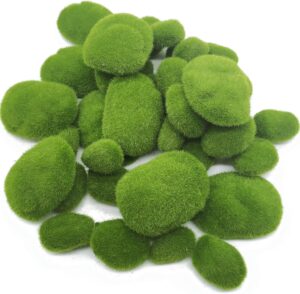
TIHOOD 40PCS Artificial Moss Rocks …
Product description Green moss balls, fake moss decor for floral arrangements, fairy gardens and crafting. Great…
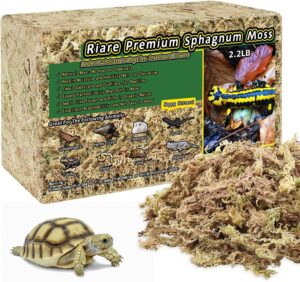
Riare 50QT Natural Sphagnum Moss fo…
From the brand Pet Substrate Bedding Coco Fiber Bricks for Reptile Sphagnum Moss for Reptiles Hamster…

83″ L Large Chicken Coop and …
From the brand Our quality a friendship between humans and animals is not only emotional, but…
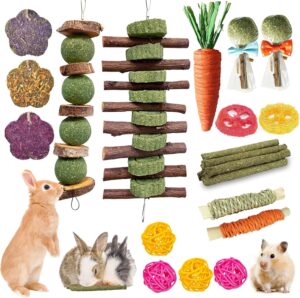
Jorewood 21 Pcs Rabbit Chew Toys fo…
Product description Product Dimensions : 6 x 4 x 2 inches; 12.31 ounces Item…
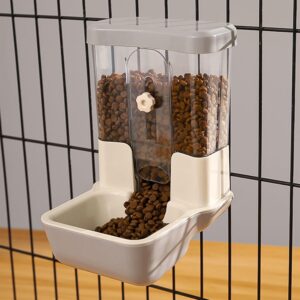
Hanging Automatic Food Dispenser, 2…
From the brand 17oz Cage Water Bottle 17oz Cage Water Bottle Small Animal Hay Feeder Slow…
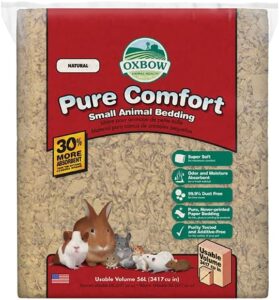
Oxbow Pure Comfort Bedding, Rabbit,…
Pure and soft—Oxbow’s Pure Comfort Natural Bedding is specially designed to create the ultimate cozy space…

Ruff Life 101 Airline Approved Expa…
Product Features: ► EXPANDABLE FROM BOTH SIDES- Simply unzip the 2 walls of the carrier to…