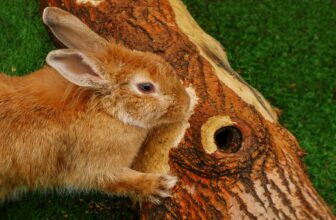

Creating a safe, comfortable home for your pet means planning around their species, age and daily needs. A space that reduces stress, prevents injury and supports natural behaviors improves health and makes care easier for you.
Whether you have a dog, cat, rabbit, hamster, fish or reptile, start with reliable products and a species-specific setup. Browse trusted options at Superstar Pet Finds Co to match supplies to your pet’s needs.
Understand species-specific needs
Begin by learning what your pet needs for security, movement, temperature and enrichment. Dogs and rabbits need room to move and chew-resistant areas; small rodents require tunnels, wheel space and secure cages; reptiles need thermostats, UVB and hides; fish need stable water chemistry and clean filters. A checklist based solely on your pet’s species saves time and prevents common mistakes.
Design an escape-proof, hazard-free layout
Map the spaces your pet will use: primary living area, sleeping spot, feeding area and supervised play zones. For small animals, choose enclosures designed to prevent escapes and give adequate ventilation. For example, purpose-built Hamster Cages provide proper bar spacing, secure latches and integrated tunnels—features that reduce risk and stress.
Childproof cords, secure trash and remove toxic plants and small objects. Anchor shelves for climbing pets and use window guards where necessary. Keep cleaning supplies locked away and set up chew-proof covers for electrical cords.
Maintain water quality for aquatic pets
Stable water chemistry is the single most important factor for fish health. Test for ammonia, nitrite, nitrate, pH and hardness on a regular schedule—especially after setup and after introducing new fish. Use reliable Aquarium Water Testing Kits to track parameters and catch issues early.
Routine cleaning keeps tanks comfortable: siphon gravel, clean glass and change partial water per species needs. Choose proper tools to reduce stress on fish and avoid overcleaning biological filters. Practical, safe kits and accessories for this work are available under Aquarium Cleaning Supplies.
Control temperature, humidity and lighting for reptiles
Reptiles require specific thermal gradients and humidity ranges. Establish a warm basking spot and a cooler retreat so your reptile can thermoregulate. Use accurate instruments to monitor these conditions rather than guessing.
Digital probes and gauges designed for terrariums let you log and respond to daily changes—consider items from the Reptile Thermometers and Hygrometers category to place near basking areas and hides for consistent readings.
UVB lighting is critical for many reptiles to synthesize vitamin D3 and maintain calcium balance. Match the UVB intensity and photoperiod to your species and replace bulbs on schedule; browse appropriate Reptile UVB Lights to find correct spectra and fittings.
Bedding, hides and substrate: comfort plus hygiene
Choose substrate and bedding that suit your pet’s behavior and health. Dusty or molded bedding can cause respiratory problems in small animals and reptiles; absorbent, low-dust options extend time between full changes. For reptiles and amphibians, appropriate substrate supports humidity and sanitation.
Provide secure hideouts so pets can retreat and feel safe. Hides reduce stress and promote natural rest cycles—ideal products include naturalistic Reptile Hides and Caves that fit under basking areas or tucked into the cool side of an enclosure.
Feeding routines, bowls and hydration
Establish a predictable feeding schedule and provide clean, appropriately sized dishes. Elevated or non-slip bowls help certain breeds eat comfortably and reduce mess. Durable, safe feeding options make mealtimes consistent and sanitary—see Dog Food and Water Bowls for ideas on stable, easy-to-clean designs.
For species that need wet or refrigerated diets, plan safe storage and portioning. Always refresh drinking water daily and sanitize bowls frequently to reduce bacterial buildup.
Enrichment, exercise and social needs
Comfort isn’t only physical—mental stimulation prevents boredom-related problems. Provide chew toys, tunnels, climbing branches, digging substrates or puzzle feeders depending on species. Rotate items weekly to maintain novelty. For social species, plan safe pairing procedures and supervised interactions.
Ensure daily exercise aligned with breed or species energy levels: supervised floor time for small rodents, leash walks for dogs, and enrichment sessions for parrots or rabbits. Proper socialization and training reduce stress and support wellbeing.
Cleaning, sanitation and routine checks
Set a cleaning schedule: daily spot-cleaning, weekly partial changes, monthly deep-cleaning for enclosures. Use pet-safe disinfectants and rinse thoroughly. Regularly inspect enclosures for wear, rust, trapped bedding, loose hardware and chewing damage that could create hazards.
Make a maintenance calendar for filter changes, bulb replacements, and seasonal checks. Preventive maintenance saves time and avoids emergencies.
- Secure enclosure with proper locks and ventilation.
- Monitor temperature and humidity daily for sensitive species.
- Test aquarium water weekly and clean filters as needed.
- Provide appropriate substrate, hideouts and enrichment.
- Use stable, non-slip bowls and fresh water daily.
- Schedule regular health checks with a qualified vet.
FAQ
Q: How often should I clean my pet’s enclosure?
A: Do spot-cleaning daily, partial bedding or water changes weekly, and a deep clean monthly—adjust frequency by species, enclosure size and number of animals.
Q: My reptile seems lethargic; could it be temperature-related?
A: Lethargy often links to improper temperature gradients or humidity. Verify readings with a reliable thermometer/hygrometer and adjust basking and ambient temps gradually.
Q: What are signs of poor aquarium water quality?
A: Cloudy water, fish gasping at the surface, sudden behavior changes or elevated ammonia/nitrite readings indicate problems. Use testing kits and carry out partial water changes while investigating causes.
Q: How do I pet-proof my home beyond cages and crates?
A: Remove toxic plants, secure cords, store chemicals out of reach, and create physical barriers to areas that pose risk. Supervise floor time until you confirm the environment is safe.
Q: Can bedding affect my small pet’s health?
A: Yes. Avoid dusty or scented beddings for species prone to respiratory issues. Choose absorbent, low-dust materials and change them regularly to prevent odors and infections.
Conclusion
Designing a safe, comfortable home is a mix of correct equipment, routine maintenance and species-appropriate enrichment. Start with good products, monitor conditions, and adapt your setup as your pet ages or their needs change. Small, consistent steps—secure housing, reliable measurement tools, clean water and enriching routines—lead to a long, healthy life for your companion.