Common Fishkeeping Mistakes and How to Prevent Them
Keeping fish can be deeply rewarding, but small mistakes compound quickly underwater. Whether you’re setting up your first tank or managing a planted aquarium, understanding common pitfalls will save fish lives and cut frustration.
This guide highlights the most frequent errors hobbyists make and gives practical, actionable steps to prevent them—covering water chemistry, feeding, cleaning, stocking, equipment and breeding. For supplies and starter options, check the Superstar Pet Finds Co collection.
1. Skipping the Nitrogen Cycle
Why it matters: New tanks need beneficial bacteria to convert ammonia to nitrite and then nitrate. Adding fish before this cycle completes causes toxic spikes that stress or kill fish.
How to prevent it: Start your tank without fish and seed it with filter media or established substrate. Test ammonia, nitrite and nitrate daily during setup, and add fish only after ammonia and nitrite read zero and nitrates are low. Be patient—cycling can take 4–6 weeks.
2. Overfeeding and Poor Feeding Habits
Why it matters: Excess food decays into ammonia and fuels algae. Overfeeding also masks health problems because fish should be active and curious at feeding time.
How to prevent it: Feed small amounts once or twice a day—only what fish finish in 1–2 minutes. Remove uneaten food after feeding. Use a consistent, quality diet and vary food types for nutrition. If you must leave town, pause automated feeders rather than overloading them.
3. Inadequate Water Testing and Monitoring
Why it matters: Water chemistry changes subtly—pH swings, ammonia spikes, and nitrate buildup happen before visible symptoms appear. Regular testing catches issues early.
Tools and routine: Use reliable test kits and test weekly for ammonia, nitrite, nitrate and pH. For convenience, consider shopping the Aquarium Water Testing Kits category to find a kit that suits your tank size and goals.
Quick option: For fast multi-parameter checks, a product like the 10 in 1 – Aquarium Test Strips can flag problems quickly between full liquid tests. Use strips as screening tools, not the only diagnostic method.
4. Neglecting Filtration and Regular Cleaning
Why it matters: A filter removes solid waste, supports beneficial bacteria and helps oxygenation. Poor filtration or neglecting maintenance lets toxins build up.
How to prevent it: Match filter size to tank volume and bioload. Clean mechanical media (sponges) in tank water, not tap water, to preserve bacteria. Replace chemical media (carbon) per manufacturer guidance.
Tools: Effective cleaning tools make maintenance faster and safer. Browse Aquarium Cleaning Supplies for siphons, scrubbers and algae scrapers. A gravel vacuum like the AREPK 10 Gallon Fish Tank Cleaner and Aquarium Water Changer speeds water changes and substrate cleaning for small tanks.
5. Choosing the Wrong Substrate and Decorations
Why it matters: Substrate affects plant health, water chemistry and fish behavior. Incompatible decorations can leach chemicals, trap waste or injure fish.
How to prevent it: Match substrate to your goals—gravel for community tanks, nutrient-rich soil for planted setups. Consider a product designed for plant growth; for example, Fluval Natural Mineral-Rich Volcanic Soil supports rooted plants and beneficial bacteria.
Decorations: Choose smooth, aquarium-safe decor and avoid items with sharp edges. Natural-looking caves and plants reduce stress and provide hiding places. Browse safe options in the Aquarium Decorations category for tested, fish-friendly pieces.
6. Overstocking and Poor Community Choices
Why it matters: Overcrowding causes poor water quality, aggression, and disease. Some species have incompatible temperature, pH or social needs.
How to prevent it: Research adult sizes and social behavior before buying. Use conservative stocking rules—many beginners follow one inch of fish per gallon as a rough guide, but adjust for bioload and species. Quarantine new fish to avoid introducing parasites and bacterial infections.
7. Ignoring Quarantine and Breeding Best Practices
Why it matters: Bringing new fish directly into the display tank risks disease transmission. Uncontrolled breeding can stress parents and fry and change tank dynamics.
How to prevent it: Quarantine new arrivals in a separate tank for 2–4 weeks and treat any signs of illness before introducing them. If you plan to breed, use appropriate tools to protect fry and separate adults. A small isolation or hatchery box helps manage fry without risking the main display—consider a Pawfly Aquarium Fish Breeding Box for controlled rearing.
8. Temperature and Equipment Mistakes
Why it matters: Sudden temperature swings and improperly set heaters or filters stress fish and suppress immunity.
How to prevent it: Invest in a reliable heater rated for your tank size and a separate thermometer to verify temperature. Avoid placing tanks near vents, windows or direct sunlight. Keep spare parts (extra heater, replacement belts) on hand so a failing component doesn’t become an emergency.
Checklist: Quick Preventive Measures
- Cycle new tanks fully before adding fish.
- Test water weekly and after any change (use multi-parameter kits).
- Feed sparingly—remove uneaten food after 2 minutes.
- Do regular partial water changes (20–30% weekly for most tanks).
- Match filtration capacity and clean media properly (tank water for sponges).
- Quarantine new fish for at least 2 weeks.
- Choose substrate and decor suited to species and plants.
- Monitor temperature daily and have backup equipment ready.
Following these steps reduces common failures and makes the hobby more enjoyable. Small, consistent habits—testing, feeding correctly, and scheduled maintenance—prevent most emergencies.
Conclusion
Preventing common fishkeeping mistakes comes down to planning, consistent monitoring and using the right tools. Cycle your tank, test water regularly, maintain filtration, and quarantine new fish. Start slowly and scale care as your confidence grows—this protects fish health and preserves your time and budget.
FAQ
- How often should I test my aquarium water? Test weekly for ammonia, nitrite, nitrate and pH; test more frequently during setup or if fish show stress.
- Is tap water safe for water changes? Yes if dechlorinated and matched for temperature; use a conditioner to remove chlorine/chloramine and heavy metals.
- How much water should I change each week? For most community tanks, 20–30% weekly; adjust based on bioload and test results.
- Do I need a quarantine tank? Strongly recommended—quarantine prevents disease introduction and lets you treat new fish safely.
- What’s the easiest way to reduce algae? Control light (8–10 hours/day), avoid overfeeding, maintain nutrient balance, and use algae-safe cleaning tools.
- Can I use one test kit for everything? A combination of reliable liquid test kits and occasional strip checks works well; strips are good quick-screen tools, liquids are more accurate for diagnosis.
Products Featured in This Article

10 in 1 – Aquarium Test Strip…
From the brand Water Testing Strips Water Testing Strips Water Testing Strips 𝗛𝗼𝗺𝗲 𝗔𝗾𝘂𝗮𝗿𝗶𝘂𝗺 𝗪𝗮𝘁𝗲𝗿 𝗧𝗲𝘀𝘁…

AREPK 10 Gallon Fish Tank cleaner a…
Product description BENEFITS: Easy to Use Durable No Electricity Quick small Safety Beautiful Manual Fish Tanks…
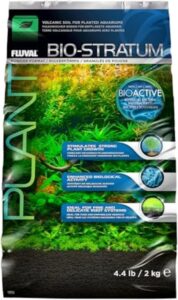
Fluval 12696 Natural Mineral-Rich V…
Fluval Bio-Stratum features beneficial “bioactives” that efficiently break down waste, jumpstart the nitrogen cycle, and swiftly…
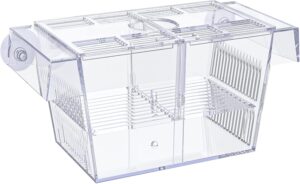
Pawfly Aquarium Fish Breeding Box A…
Product description Add to Cart Add to Cart Add to Cart Customer Reviews 4.2 out of…