Common Bird Care Mistakes First-Time Owners Should Avoid
Bringing a bird home is exciting, but first-time owners often make avoidable mistakes that lead to stress, poor health, or behavior problems. Before you buy supplies or invite a feathered friend into your life, take a moment to learn the practical basics that keep birds safe and thriving.
If you’re looking for supplies or want to compare options, check reliable retailers like Superstar Pet Finds Co for a quick overview of product categories and what’s available for different pet types.
1. Wrong cage choice and placement
Many new owners underestimate cage size and choose enclosures that are too small or poorly placed. Birds need room to spread their wings, hop between perches, and fly short distances. Avoid cages designed for other species—small-animal multi-level cages look cute but restrict flight and trap birds in cramped levels. For example, products like the Large 5-Floors Blue Hamster Mansion are built for rodents, not birds.
Also, place the cage away from direct drafts, kitchen fumes, or prolonged direct sunlight. Birds are social—locate the cage in a living area where they can observe family activity without constant commotion.
2. Diet mistakes: seed-only diets and inappropriate feeders
A common mistake is relying on seed mixes alone. Many seeds lack essential vitamins and minerals, and can lead to obesity and nutritional deficiencies. A balanced diet includes formulated pellets, fresh fruits and vegetables, and species-appropriate treats. Be cautious with feeder hardware: automatic feeders designed for other pets may dispense unsuitable food or encourage overeating. For instance, an item like the Hanging Automatic Food Dispenser, 27oz is marketed for multiple species—ensure any dispenser you use is appropriate for bird diet and portion control.
3. Water and bathing errors
Fresh water should be available at all times. Some owners borrow small-animal water bottles or no-drip designs meant for rodents, but these can be awkward for many bird species and may limit drinking behavior. Avoid using products like the Choco Nose No-Drip Small Animal Water Bottle for parrots or finches—birds often prefer open cups or bowls and some species love supervised shallow baths or misting.
Change water daily, clean bowls frequently with warm soapy water, and offer baths or misting 1–3 times weekly depending on species and condition of feathers.
4. Skipping enrichment and social needs
Birds are intelligent, social animals. A bare cage with a single perch and food bowl leads to boredom and feather-plucking. Provide varied perches (different diameters and textures), safe toys that encourage foraging, and time outside the cage daily for exercise and interaction. Rotate toys weekly to keep interest high, and introduce training sessions using positive reinforcement to build trust.
5. Improper cleaning and unsafe substrates
Cleaning frequency and safe materials are crucial. Daily spot-cleaning of droppings and food debris, weekly deep cleans, and regular sanitizing of bowls and toys reduce disease risk. Do not use small-animal bedding or dust-heavy substrates in bird cages—products designed for rabbits or rodents are not bird-safe and can be toxic or respirable. For example, avoid using popular small-animal bedding like Oxbow Pure Comfort Bedding inside bird cages. Instead, use paper-based liners or washable cage liners recommended for avian hygiene.
6. Not monitoring temperature and humidity
Birds are sensitive to sudden temperature swings and to very dry or very humid air. While most pet birds do well in typical home temperatures, certain species (tropical parrots) need stable, warmer conditions and moderate humidity. A compact digital thermometer/hygrometer helps you spot drafts, heat sources, and low humidity. Consider a tool like the Weewooday Mini Digital Temperature & Humidity Meters to monitor cage location and room conditions.
7. Misusing supplements and DIY remedies
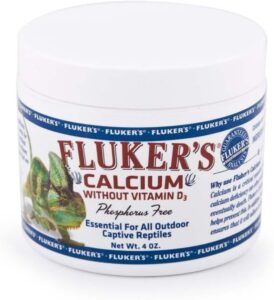
Supplements can help in some situations, but never substitute them for a balanced diet. Avoid using supplements formulated for other animal classes without veterinary advice—reptile or rodent supplements can have incorrect dosages or missing necessary co-factors for birds. For instance, a product like Fluker’s Reptile Calcium Supplement is not designed for birds; avian-specific calcium sources and vitamin D3 recommendations should come from a qualified avian vet.
When in doubt, get a feeding plan and supplement guidance from an avian veterinarian, especially for breeding, egg-laying, or recovery from illness.
8. Overreliance on automation for training and feeding
Automatic systems can be convenient but should not replace hands-on care and bonding. Relying exclusively on automated solutions can reduce interaction, delay behavior assessments, and miss early signs of illness. Automatic feeders designed for other pets (like the ANDOLL HOME Automatic Cat Feeder, 4L) are typically inappropriate for birds’ dietary needs and portioning. Use automation cautiously and pair it with daily hands-on checks and training sessions.
Quick checklist: Mistakes to avoid
- Using cages made for other species—ensure flight room and safe bar spacing.
- Feeding a seed-only diet—introduce pellets and fresh produce.
- Using small-animal water bottles or inappropriate feeders instead of bird-appropriate bowls.
- Skipping enrichment—provide perches, toys, and social time.
- Using unsuitable bedding or dusty substrates in the cage.
- Ignoring temperature and humidity—monitor with dedicated meters.
- Giving supplements or medications meant for other animals without vet approval.
- Letting automation replace daily interaction and observation.
FAQ
- Q: How big should my bird’s cage be?
A: Bigger is better. The cage should allow wings to fully extend and provide room for movement and toys; species-specific recommendations vary—research your bird’s natural behaviors. - Q: Are water bottles okay for birds?
A: Most birds prefer open cups or bowls; some owners use bottles for certain species, but they can limit natural drinking and cleaning—choose based on species and observe behavior. - Q: Can I use supplements for reptiles or other pets for my bird?
A: No—supplements meant for reptiles or rodents may lack correct nutrients or dosing for birds. Always consult an avian vet before supplementing. - Q: How often should I clean the cage?
A: Spot-clean daily, change liners and wash bowls several times weekly, and perform a full clean and disinfect at least monthly or more often if needed. - Q: My bird screams—how do I stop it?
A: Screaming can signal boredom, stress, or attention-seeking. Increase enrichment, establish a predictable routine, and avoid rewarding screaming with immediate attention; consult an avian behaviorist for persistent issues.
Practical takeaway: prioritize appropriate housing, a balanced diet, daily interaction, and species-specific tools—avoid one-size-fits-all products made for other pets. When in doubt, consult avian-care resources and your veterinarian to build a care plan suited to your bird’s species and temperament.
Products Featured in This Article
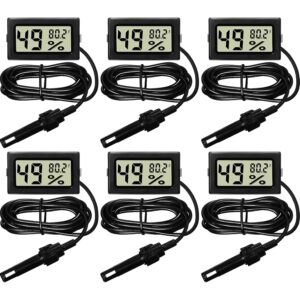
Weewooday Mini Digital Temperature …
From the brand Package includes: you will receive 6 pieces digital thermometer hygrometers with accurate reading,…
Fluker’s Reptile Calcium Supp…
Fluker’s Reptile Calcium Supplement Without Vitamin D3 Is Discontinued By Manufacturer : No Product…

Large 5-Floors Blue Hamster Mansion…
Suitable for small animal critter like hamsters, mice, gerbils, rat etc…….. Product Dimensions : …
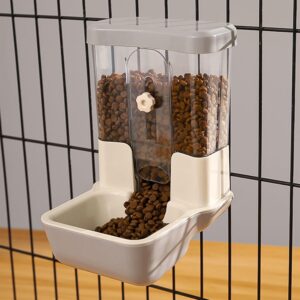
Hanging Automatic Food Dispenser, 2…
From the brand 17oz Cage Water Bottle 17oz Cage Water Bottle Small Animal Hay Feeder Slow…
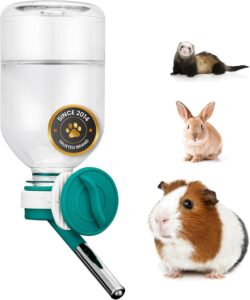
Choco Nose No-Drip Small Animal Wat…
Product description Add to Cart Add to Cart Add to Cart Add to Cart Customer Reviews…
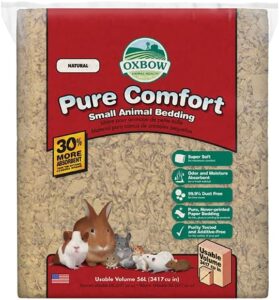
Oxbow Pure Comfort Bedding, Rabbit,…
Pure and soft—Oxbow’s Pure Comfort Natural Bedding is specially designed to create the ultimate cozy space…
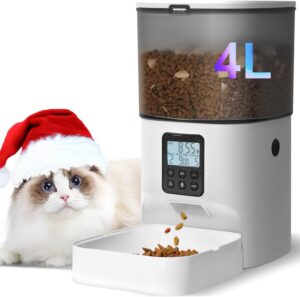
ANDOLL HOME Automatic Cat Feeder, 4…
Product description Fully sealed to keep food dry and fresh ANDOLL HOME AUTOMATIC PET FEEDER AND…