A Beginner’s Guide to Setting Up a Healthy Home Aquarium
Setting up your first aquarium is exciting—but getting it right from the start prevents stress for you and your fish. This guide walks you through practical choices, step-by-step setup, and straightforward maintenance so your tank becomes a healthy, low-drama feature in your home.
Read each section before you buy equipment or add fish. Small decisions—tank placement, filtration, substrate—determine long-term success more than fancy extras.
1. Choosing the right tank and location
Start with a tank size that fits your space and the species you want. Bigger is usually easier: larger volumes buffer water quality and temperature swings. Place the tank on a level, sturdy surface away from direct sunlight, drafts, and heat sources to reduce algae and temperature instability.
For shopping options and a quick way to browse matching supplies, see Superstar Pet Finds Co for recommended categories and starter kits.
2. Essential equipment: filter, heater, lights, and tools
Core gear: a reliable filter rated for your tank volume, an adjustable heater for tropical fish, a basic light for viewing/plant growth, and simple test strips or kits. Don’t skip a siphon/gravel vacuum—it’s one of the most useful tools for regular maintenance. A compact, multi-use unit designed for small tanks makes water changes and gravel cleaning fast and mess-free. Consider a dedicated kit if you have a 10-gallon or similar setup.
For an affordable siphon and water changer that’s practical for new tank owners, check the AREPK gravel vacuum and aquarium water changer product as a helpful accessory: AREPK 10 Gallon Fish Tank cleaner and aquarium water changer.
3. Cycling your aquarium and understanding water chemistry
Before adding fish, cycle the tank to establish beneficial bacteria that convert toxic ammonia into nitrite and then nitrate. Cycling can take 2–8 weeks depending on method. Test ammonia, nitrite, nitrate, and pH regularly during this period. Use water conditioners to remove chlorine/chloramines and follow manufacturer directions for dosing.
Cleaning and testing supplies are essential for safe cycling and routine care; look for trusted Aquarium Cleaning Supplies to maintain water quality and support biological filtration.
4. Substrate, plants and planting strategy
Substrate impacts plant growth and water chemistry. For live planted tanks, use a nutrient-rich base under a decorative top layer—this feeds roots and improves plant health. If you plan a heavily planted aquarium, choose soil specifically formulated for aquatic plants rather than generic gravel.
For planted setups, consider a volcanic soil option that supports lush plant growth and root development: Fluval 12696 Natural Mineral-Rich Volcanic Soil.
5. Decorations, hardscapes and safe hiding places
Decorations create structure and hiding spots that reduce fish stress. Use smooth driftwood, aquarium-safe rocks, caves, and plants to provide territories and cover. Avoid porous or painted items not rated for aquatic use; they can leach toxins. Arrange decor to allow open swimming areas for midwater species and calm corners for shy fish.
Browse aquarium-safe options and decor ideas under Aquarium Decorations to match the style and scale of your tank.
6. Lighting and ambiance: function and safety
Lighting serves two purposes: showcasing your tank and supporting plants if you have live ones. Choose lights with the right intensity and spectrum for plant growth or a lower-output option for fish-only tanks. Avoid lights that generate excess heat or run 24/7; use a timer to mimic natural day/night cycles.
If you want decorative lighting that doubles as a night feature or accent—especially in non-planted or low-light tanks—an LED bubble lamp provides visual movement and mood without stressing most fish: Brewish Bubble lamp.
7. Quarantine, breeding basics, and fry care
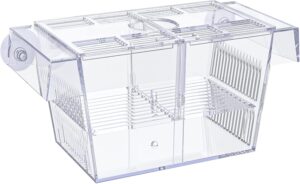
Always quarantine new fish for at least 7–14 days to monitor for disease and avoid introducing pathogens to an established tank. A small quarantine tank or isolation box makes this easy and reduces stress on the main display. If you plan to breed or raise fry, use a dedicated hatchery or breeding box to protect eggs and newborns from adults.
For controlled isolation and safe rearing of fry or injured fish, a compact hatchery/box is very useful: Pawfly Aquarium Fish Breeding Box.
8. Routine maintenance schedule
Consistency keeps a tank healthy: partial water changes (15–25%) weekly to biweekly, filter media rinsed in tank water (not tap) during changes, gravel vacuuming, and testing key parameters. Replace bulbs on a schedule appropriate to the lamp type. Keep a simple log of water tests and maintenance actions for troubleshooting.
Quick checklist: what to buy before setup
- Tank, stand, and lid appropriate to size
- Filter rated for tank volume
- Adjustable heater and thermometer
- Substrate suitable for plants or fish (see plant substrate options)
- Decor and hiding spots for fish species
- Water conditioner and basic test kit
- Siphon/gravel vacuum and bucket for water changes
- If you plan to breed or quarantine: consider Fish Breeding Supplies and a hatchery
FAQ — short answers for common beginner questions
- How long should I cycle my tank? Typically 2–8 weeks; test until ammonia and nitrite are zero and nitrates are present.
- How many fish can I add? Stock conservatively: research adult sizes and behavior. A good rule: fewer fish and steady additions paced over weeks.
- How often do I change water? Partial changes of 15–25% weekly or biweekly, depending on stocking and test results.
- Can I mix species? Only with species known to be compatible in temperament, water parameters, and adult size.
- Do live plants help? Yes—plants remove nutrients, reduce algae, and increase oxygen, improving overall stability.
Conclusion — one practical takeaway
Start simple and invest in reliable basics: a proper filter, heater, substrate for your goals, and a good siphon. Cycle the tank fully before adding fish, quarantine new arrivals, and maintain a steady cleaning schedule. With patience and consistent habits your aquarium will be healthy, low-maintenance, and rewarding.
Products Featured in This Article

AREPK 10 Gallon Fish Tank cleaner a…
Product description BENEFITS: Easy to Use Durable No Electricity Quick small Safety Beautiful Manual Fish Tanks…
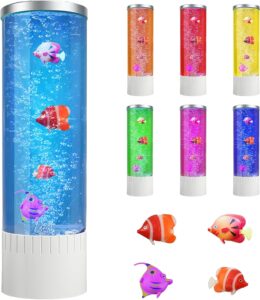
Brewish Bubble lamp | 7 Color Chang…
Product description Brewish Sensory Light Bubble Tubes an Ambient Color Cascade Transform any room into a…
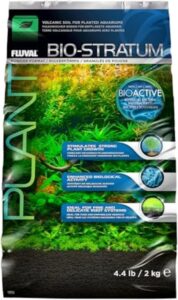
Fluval 12696 Natural Mineral-Rich V…
Fluval Bio-Stratum features beneficial “bioactives” that efficiently break down waste, jumpstart the nitrogen cycle, and swiftly…
Pawfly Aquarium Fish Breeding Box A…
Product description Add to Cart Add to Cart Add to Cart Customer Reviews 4.2 out of…