
A Beginner’s Guide to Caring for Pet Birds
Bringing a bird into your home is rewarding, but birds have specific needs that differ from dogs, cats, or small mammals. This guide covers essentials—housing, diet, environment, enrichment, health basics and practical tips—to help new bird owners build a safe, healthy routine.
For supplies and inspiration, check your options at Superstar Pet Finds Co, then use this guide to choose what fits your species and space.
Choosing the right bird and cage
Match the species to your lifestyle and living space. Small parrots (budgies, cockatiels) need wide cages for wing movement; larger parrots need a lot more space and time out of the cage. Avoid narrow, tall cages that restrict horizontal flight. If you’re considering backyard poultry or larger aviaries, a purpose-built structure is best.
For outdoor or mixed indoor/outdoor setups, a purpose-built enclosure like the 83″ L Large Chicken Coop and Run Hen House with 4 Nesting Box shows the kind of heavy-duty construction and predator protection you should expect for larger birds kept outdoors.
Cage set-up and placement
Place the cage where the family spends time—birds are social and need interaction—but away from direct drafts, heat sources, and busy kitchen fumes. Aim for natural light without prolonged direct sun that can overheat the cage. Provide perches of varied diameter and texture to keep feet healthy.
Use solid-bottom cage liners or washable trays; avoid substrate that can be picked up and swallowed. Consider a secondary enclosure or travel carrier for vet trips (see travel section below).
Nutrition and safe feeding practices
Quality pellet-based diets supplemented with fresh vegetables and occasional fruit are safe baselines for many companion birds. Seed-only diets often cause nutritional deficiencies. Always research species-specific needs—some birds need higher fat or calcium levels.
Automated feeders can help with portioning or slow feeding. A practical option for cage installations is the Hanging Automatic Food Dispenser, 27oz Large Capacity, which is designed to mount on cage bars and reduce mess.
Water, bathing and hygiene
Fresh water should be available daily in a clean, shallow bowl—many birds prefer bowls over bottles. Bowls allow drinking and dipping behaviors that are natural and healthy. If you do use cage-mounted bottles for travel or specific species, choose a reliable no-drip option like the Choco Nose No-Drip Small Animal Water Bottle Leak-Proof, but monitor usage—many birds will not drink well from bottles.
Bathing promotes feather health. Offer a shallow dish a few times per week, mist gently with lukewarm water, or allow supervised shower time. Clean food and water dishes daily and disinfect weekly.
Temperature, humidity and monitoring
Most common pet birds do well in average home temperatures (65–80°F) with moderate humidity. Avoid rapid temperature swings and enclosed spaces that trap heat. If you keep tropical species or maintain an indoor aviary, monitor conditions closely.
Use an easy monitor to track room conditions. A compact tool such as the Weewooday Mini Digital Temperature Humidity Meters Gauge with Probe gives quick readings so you can adjust heating, cooling or humidification as needed.
Enrichment, toys and social needs
Birds need daily mental and physical stimulation. Rotate toys to prevent boredom; include foraging, shredding and chewing options. Safe wood, untreated rope, leather and paper toys work well for many species. Avoid toys with small parts that could be swallowed or toxic materials like zinc and lead.
Some products intended for small animals demonstrate useful toy concepts, but choose materials and sizes appropriate for beaks. Supervision and regular inspection for wear and loose parts are essential.
Health, quarantine and when to seek help
Establish a relationship with an avian veterinarian early. Watch for subtle signs of illness: reduced appetite, fluffed feathers, changes in droppings, discharge, or abnormal breathing. Don’t attempt extensive home medical treatment without vet guidance.
If you must isolate a new or sick small bird temporarily, a small clear enclosure can serve as a short-term observation space. For small species, a product like the REPTI ZOO Amphibian Habitat Tank 10 Gallon Full Vision Glass Reptile Terrarium can function as a temporary, easily-cleaned observation unit—but this is for short-term use only and not a substitute for proper veterinary care or a species-appropriate cage.
Travel, safety and emergency prep
Use a secure carrier for trips to the vet or airport-approved travel. Choose a carrier with ventilation and enough room for the bird to stand and turn. For air or long-distance travel, an expandable, approved carrier simplifies logistics—consider options like the Ruff Life 101 Airline Approved Expandable Premium Pet Carrier on Wheels for adaptably sized transport (note: verify airline requirements and species permitting beforehand).
Have a simple emergency kit: cage towel, spare bowl, travel carrier, printed vet contact, and a small supply of the bird’s staple food.
Materials and nesting options
Some owners create nesting boxes for breeding pairs or species that require cavities. Use safe, non-toxic, low-dust bedding or linings. A general-purpose soft bedding like Oxbow Pure Comfort Bedding, Rabbit, Hamster, Guinea Pig Bedding, 56 Liter Bag can be adapted sparingly for nesting lining in species where paper-based bedding is acceptable; always research species-specific nesting requirements and remove bedding if it attracts mites or moisture.
Quick checklist for new bird owners
- Choose species suited to your time, space and noise tolerance.
- Select a cage with horizontal space (width) and varied perches.
- Buy a quality pellet diet and fresh produce; avoid seed-only diets.
- Provide clean water daily and bathing opportunities several times a week.
- Rotate safe toys and offer foraging activities daily.
- Monitor temperature/humidity and maintain a stable environment.
- Find an avian vet and schedule an initial health check.
- Prepare a travel carrier and an emergency kit.
FAQ
- How often should I clean my bird’s cage? Daily spot cleaning of food/water dishes and droppings; full cage cleaning (disinfect and change liners) weekly to biweekly depending on species and mess.
- Can I use a water bottle instead of a bowl? Most companion birds prefer bowls for drinking and bathing. Bottles can be used in some setups but monitor intake closely and clean frequently.
- How much out-of-cage time does my bird need? Most parrots need several hours of supervised out-of-cage time daily for exercise and social interaction; smaller parrot species still benefit from regular out-of-cage activity.
- What toys are safest? Solid wood, stainless steel, leather (natural, untreated), and food-safe ropes are safe choices. Avoid zinc/lead-containing metals, thin plastic pieces, or glued parts that can break off and be ingested.
- When should I see an avian vet? At first sign of unusual droppings, appetite change, breathing issues, or lethargy. Also schedule an initial wellness exam for a new bird.
- Can I keep multiple birds together? Only if the species are compatible and you provide enough space. Monitor interactions carefully; overcrowding leads to stress and aggression.
Conclusion
Successful bird care combines the right habitat, balanced nutrition, daily enrichment, environmental stability and proactive health monitoring. Start with good housing and predictable routines, and build a relationship with an avian vet. With consistent care, your bird can enjoy a long, engaging life.
Products Featured in This Article

Weewooday Mini Digital Temperature …
From the brand Package includes: you will receive 6 pieces digital thermometer hygrometers with accurate reading,…
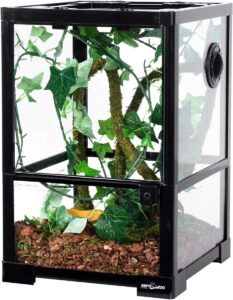
REPTI ZOO Amphibian Habitat Tank 10…
From the brand Leading Brand Since 2007 REPTI ZOO is one of the famous brands specializing…

83″ L Large Chicken Coop and …
From the brand Our quality a friendship between humans and animals is not only emotional, but…
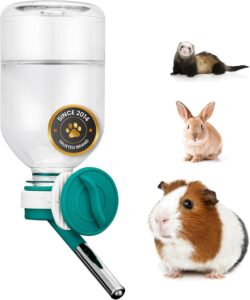
Choco Nose No-Drip Small Animal Wat…
Product description Add to Cart Add to Cart Add to Cart Add to Cart Customer Reviews…
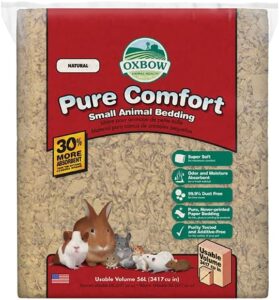
Oxbow Pure Comfort Bedding, Rabbit,…
Pure and soft—Oxbow’s Pure Comfort Natural Bedding is specially designed to create the ultimate cozy space…

Ruff Life 101 Airline Approved Expa…
Product Features: ► EXPANDABLE FROM BOTH SIDES- Simply unzip the 2 walls of the carrier to…