

A Beginner’s Guide to Caring for Hamsters and Small Pets
Bringing a hamster or another small pet into your home is rewarding, but good care starts with the right setup and daily routine. This guide covers practical, trustworthy advice for housing, feeding, enrichment, handling, and basic health checks so you can build a safe, comfortable life for your new companion.
Whether you’re unpacking a cage for the first time or refreshing your setup, the steps below focus on reliable fundamentals: proper habitat, clean bedding, hydration, nutrition, mental stimulation, and simple monitoring.
Choosing the Right Home
Space, ventilation, and safety matter more than fancy extras. Avoid plastic travel cages and cramped tanks. Choose a cage designed for small animals with a solid base and secure top. For a variety of appropriate options and sizes, check choices from trusted suppliers: Hamster Cages. Aim for the largest cage you can reasonably accommodate — more floor space is better than vertical climbing for many hamsters.
Bedding and Substrate
Good bedding keeps your pet comfortable, absorbs moisture, and reduces odor. Avoid cedar or pine shavings (they can irritate respiratory systems). Use paper-based or aspen bedding and add nesting material for burrowing species. A high-absorbency option made for small pets helps maintain cleanliness and reduces dust: Oxbow Pure Comfort Bedding.
Food and Water: Basics and Best Practices
Provide a high-quality pellet or mix formulated for your species, fresh vegetables in moderation, and occasional treats. Keep food in a heavy bowl to prevent tipping. For hydration, water bottles are hygienic and reduce contamination compared to bowls. Consider reliable, leak-resistant options designed for small animals to cut down on wet bedding and mess.
Hydration Gear and Maintenance
Water bottles need proper placement, testing, and occasional replacement. A no-drip, easy-to-install bottle helps maintain dry bedding and consistent access to water. Many owners prefer a compact, protected nozzle that prevents leaks while remaining accessible: Choco Nose No-Drip Small Animal Water Bottle.
Essentials and Shopping Checklist
Before bringing your pet home, assemble basic supplies so you can meet daily needs without delay. For a quick search of bottle styles and capacities, see a focused category of water options here: Small Animal Water Bottles.
Enrichment: Wheels, Toys, and Chews
Physical and mental stimulation prevents boredom and promotes health. A properly sized, quiet exercise wheel prevents behavioral issues; choose a solid-surface wheel to avoid tail or foot injuries. For low-noise, natural-material options, consider wheels built for small pets: antiai Hamster Wooden Silent Wheel.
Chewing keeps teeth worn to a healthy length and provides enrichment. Offer safe, edible chews and rotate types to hold interest. A multipack of natural chews is convenient and budget-friendly for regular replacement: Jorewood 21 Pcs Rabbit Chew Toys.
Feeding Routines and Automating Care
Establish a consistent feeding schedule: pellets once daily with fresh veggies or herbs several times per week depending on species. If you’ll be away, use a well-designed feeder to limit overeating and spoilage. A hanging dispenser that mounts to the cage preserves food freshness and prevents waste: Hanging Automatic Food Dispenser.
Handling, Socialization, and Training
Start slow: let your pet explore a hand before attempting to pick it up. Keep initial sessions short and calm, offering treats to build trust. Support the body fully when lifting and avoid sudden moves. For nocturnal species, interact during their active periods rather than forcing daytime activity. Consistency and gentle repetition reduce stress and accelerate taming.
Cleaning, Health Checks, and When to See a Vet
Spot-clean daily (remove soiled bedding, uneaten fresh food), and perform a full clean once a week or as needed. Check for signs of illness regularly: weight loss, changes in eating/drinking, discharges, labored breathing, ruffled fur, or lethargy. Keep an emergency vet contact prepared, and seek professional care when you observe persistent or severe symptoms. Routine checks at home support early detection and better outcomes.
Habitat Upgrades and Multi-Level Homes
As your pet adapts, you may want to enhance their environment with platforms, hideouts, and tunnels. Multi-level habitats increase usable space without a larger footprint. If you prefer an all-in-one modular setup with built-in features, consider a manufactured habitat that includes platforms, a wheel, bowl, and water bottle: Large 5-Floors Blue Hamster Mansion.
Quick Checklist
- Appropriate cage with secure top and solid base
- Safe, dust-free bedding and nesting material
- Fresh water bottle and backup (test daily)
- Balanced pellet diet, occasional fresh greens
- Exercise wheel, chew toys, hideouts, and tunnels
- Weekly deep-clean schedule and daily spot checks
- Emergency vet number and basic first-aid supplies
FAQ
- Q: How often should I clean my hamster’s cage?
A: Spot-clean daily; full bedding change and deep clean weekly or sooner if odors or damp spots appear. - Q: What’s the best wheel size for a hamster?
A: Choose a wheel with a solid surface wide enough that the hamster runs flat (no hunched back). Size depends on species—Syrian hamsters need larger wheels than dwarf hamsters. - Q: Can I give my hamster fresh vegetables every day?
A: Offer small amounts of fresh greens a few times per week; introduce new foods gradually to avoid digestive upset. - Q: How can I tell if my hamster is sick?
A: Look for appetite changes, weight loss, breathing issues, discharge, diarrhea, or lethargy. If symptoms persist, contact a vet experienced with small mammals. - Q: Are water bottles better than bowls?
A: Bottles are usually cleaner and reduce spilled water; ensure they’re leak-free and checked daily. A backup bowl can be provided under supervision if needed.
Conclusion
Good hamster care hinges on a safe, roomy habitat, clean bedding, reliable food and water, daily enrichment, and routine health checks. Start with the essentials, observe your pet closely, and adjust as you learn their preferences. Small, consistent steps make a big difference in a small pet’s life.
Products Featured in This Article

Large 5-Floors Blue Hamster Mansion…
Suitable for small animal critter like hamsters, mice, gerbils, rat etc…….. Product Dimensions : …

antiai Hamster Wooden Silent Wheel,…
Product description antiai Hamster Wooden Silent Wheel Completely silent, no worries about affecting your sleeping timeVery…
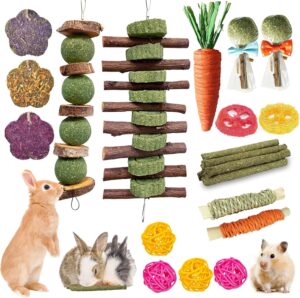
Jorewood 21 Pcs Rabbit Chew Toys fo…
Product description Product Dimensions : 6 x 4 x 2 inches; 12.31 ounces Item…
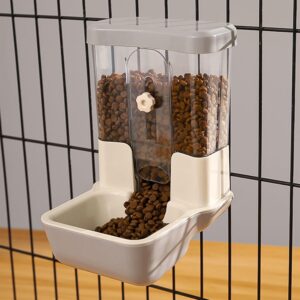
Hanging Automatic Food Dispenser, 2…
From the brand 17oz Cage Water Bottle 17oz Cage Water Bottle Small Animal Hay Feeder Slow…

Choco Nose No-Drip Small Animal Wat…
Product description Add to Cart Add to Cart Add to Cart Add to Cart Customer Reviews…
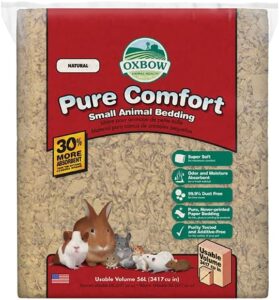
Oxbow Pure Comfort Bedding, Rabbit,…
Pure and soft—Oxbow’s Pure Comfort Natural Bedding is specially designed to create the ultimate cozy space…